
Top Tips for Durable Fence Building Tips
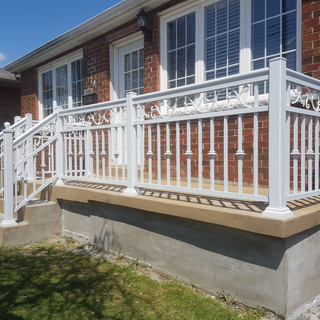
Building a fence that lasts is more than just putting up some posts and panels. It takes planning, the right materials, and careful construction. Whether you want privacy, security, or just a clear boundary, a durable fence will save you time and money in the long run. I’m here to share some practical, easy-to-follow tips that will help you build a fence that stands strong through all kinds of weather and wear.
Why Durable Fence Building Tips Matter
When you invest in a fence, you want it to last. A fence that falls apart after a few years is frustrating and costly. That’s why focusing on durability from the start is key. Durable fence building tips help you avoid common mistakes like weak posts, poor material choices, or bad installation techniques.
For example, choosing the right wood or metal can make a huge difference. Some woods resist rot and insects better than others. Metal fences need proper coatings to prevent rust. Also, how you set your posts and attach panels affects the fence’s strength. These details matter.
By following durable fence building tips, you get a fence that looks good and performs well for years. You won’t have to worry about repairs or replacements anytime soon.

Essential Durable Fence Building Tips You Can Use Today
Let’s dive into some of the best durable fence building tips that anyone can apply. These tips cover everything from planning to finishing touches.
Choose the Right Materials: Not all wood or metal is created equal. Cedar and redwood are great for wood fences because they resist rot naturally. For metal, galvanized steel or aluminum with powder coating lasts longer.
Plan Your Fence Layout Carefully: Measure your property accurately. Mark where each post will go. This helps avoid surprises and ensures your fence is straight and even.
Use Quality Fasteners: Cheap nails or screws can rust or loosen over time. Use stainless steel or coated fasteners designed for outdoor use.
Protect Your Wood: Apply sealant or paint to wood fences. This adds a layer of protection against moisture and UV damage.
Maintain Proper Spacing: Leave enough space between fence boards or panels for expansion and contraction. This prevents warping and cracking.
Install a Good Gate: Gates are often the weakest part of a fence. Use strong hinges and make sure the gate swings freely without dragging.
These tips are simple but powerful. They help you build a fence that won’t just look good but will also stand up to the elements and time.
Should Fence Posts Be Set in Concrete or Not?
This is a question I get asked a lot. Setting fence posts in concrete is a common practice, but is it always the best choice? The answer depends on your soil type, fence style, and local climate.
Pros of Setting Posts in Concrete:
Provides strong support and stability.
Helps prevent posts from shifting or leaning.
Protects posts from ground moisture if done correctly.
Cons of Setting Posts in Concrete:
Concrete can trap moisture against wooden posts, causing rot.
It makes future fence repairs or post replacements harder.
In freeze-thaw climates, concrete can crack and damage posts.
If you decide to use concrete, make sure to:
Use gravel at the bottom of the hole for drainage.
Set the post on the gravel, not directly in the concrete.
Slope the concrete away from the post to shed water.
Alternatively, some people prefer compacted gravel or crushed stone to set posts. This allows better drainage and reduces rot risk. For metal posts, concrete is usually a good choice because metal won’t rot.
In short, concrete is not always necessary but can be very helpful if done right. Consider your specific situation before deciding.

How to Protect Your Fence from Weather Damage
Weather is one of the biggest enemies of fences. Rain, snow, sun, and wind can all take a toll. Here are some durable fence building tips to protect your fence from weather damage:
Use Weather-Resistant Materials: As mentioned, cedar, redwood, and treated lumber resist rot. Metal fences should be coated to prevent rust.
Apply Protective Coatings: Paint, stain, or sealant adds a barrier against moisture and UV rays. Reapply every few years.
Install Caps on Posts: Post caps prevent water from seeping into the end grain of wood posts, which is where rot often starts.
Ensure Proper Drainage: Avoid placing fence posts in areas where water pools. Good drainage around posts extends their life.
Trim Vegetation: Keep plants and vines away from the fence. They trap moisture and can cause damage over time.
Taking these steps helps your fence resist the elements and stay strong for years.
Maintenance Tips to Keep Your Fence Durable
Building a durable fence is just the start. Regular maintenance keeps it that way. Here are some easy maintenance tips:
Inspect Your Fence Regularly: Look for loose boards, rust spots, or signs of rot. Catching problems early saves money.
Clean Your Fence Annually: Use a power washer or scrub brush to remove dirt, mold, and mildew.
Tighten Fasteners: Screws and nails can loosen over time. Tighten or replace them as needed.
Reapply Sealant or Paint: Every 2-3 years, refresh your fence’s protective coating.
Repair Damage Promptly: Fix broken boards or bent panels quickly to prevent further issues.
Regular care keeps your fence looking great and extends its life.
Why Professional Help Can Make a Difference
While DIY fence building is possible, sometimes professional help is worth it. Professionals have the experience, tools, and knowledge to build a fence that lasts. They understand local soil conditions, weather challenges, and building codes.
Hiring a trusted company ensures your fence is installed correctly the first time. This saves you headaches and extra costs down the road. Plus, professionals can offer advice on the best materials and designs for your needs.
If you want to learn more about fence construction tips, checking out expert resources or consulting with a local fence company can be a smart move.
Building a durable fence is a smart investment. With the right materials, careful planning, and regular maintenance, your fence will protect your property and look great for years. Use these durable fence building tips to get started on a fence that stands the test of time.


I enjoyed reading these fence-building tips because they explain how good planning can make a big difference in long-term durability. When I was managing a home project alongside my studies, I relied on help with assignment uk to keep up with my coursework during a busy period. The advice about choosing quality materials really stood out to me. It shows that strong results usually come from careful preparation and patience.
Really helpful post! One thing I was curious about do you have any advice for Buy Fresh Seafood in UAE? Would love to hear your thoughts.
This post is a hidden treasure. I love how you incorporated real-life situations to illustrate your points – that makes a huge difference. It's clear you know your audience well. I'm already excited for your next post. Please keep sharing your insights. The online world desperately needs more authentic voices like yours.
https://www.indiegogo.com/en/profile/aerocityfungirl#/overview
https://www.discogs.com/user/aerocityfungirl
https://sketchfab.com/aerocityfungirl
https://dapp.orvium.io/profile/ayesha-khan
https://worstgen.alwaysdata.net/forum/members/aerocityfungirl.155400/#about
https://raovat.nhadat.vn/members/aerocityfungirl-262195.html#vmessage4598
https://www.checkli.com/aerocityfungirl
https://forum.dfwmas.org/index.php?members/aerocityfungirl.176294/#about
https://gravatar.com/insightful6f632b7ea5
https://jobs.landscapeindustrycareers.org/profiles/7545765-ayesha-khan
I found this post really useful, especially how it explains simple steps to build a strong and lasting fence. I remember trying a small DIY project at home while also managing studies, and I even had to buy dissertation papers just to keep up with everything at that time. It made me realize how planning and the right approach matter a lot. Doing the basics right can really save time and effort later. Your post makes me smile