
Essential Tips for Successful Fence Construction - Your Fence Building Guidance
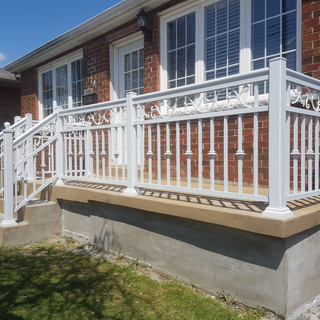
Building a fence might seem straightforward, but there’s more to it than just putting up some posts and panels. Whether you want privacy, security, or just to add curb appeal, getting your fence right the first time saves you time, money, and headaches. I’ve gathered some essential tips that will help you with your fence building guidance, making the process smoother and the results better.
Planning Your Fence Building Guidance: What You Need to Know
Before you pick up a hammer or dig a hole, planning is key. Start by deciding the purpose of your fence. Is it for privacy, security, decoration, or to keep pets and kids safe? Knowing this helps you choose the right materials and design.
Next, check local regulations. Many areas have rules about fence height, style, and placement. You don’t want to build a fence only to find out it’s not allowed or you have to tear it down. Contact your local municipality or check online for Barrie’s specific rules.
Measure your property lines carefully. If you’re unsure where your boundaries are, get a survey done. This avoids disputes with neighbors and ensures your fence is exactly where it should be.
Finally, choose your materials wisely. Wood, vinyl, metal, and composite all have pros and cons. Wood is classic and affordable but needs maintenance. Vinyl is low maintenance but can be pricier. Metal is durable and secure but might not offer much privacy. Think about your budget, style, and how much upkeep you’re willing to do.

Essential Tools and Materials for Fence Construction
Having the right tools and materials makes the job easier and the fence stronger. Here’s a quick checklist of what you’ll need:
Post hole digger or auger: For digging holes quickly and evenly.
Level: To make sure posts are straight.
Tape measure: Accuracy is everything.
String line and stakes: To mark your fence line.
Hammer or nail gun: For attaching panels or rails.
Saw: To cut wood or panels to size.
Concrete mix: If you decide to set posts in concrete.
Protective gear: Gloves, safety glasses, and sturdy shoes.
When buying materials, get a little extra to cover mistakes or future repairs. For example, if you’re using wood, choose pressure-treated lumber to resist rot and insects.
Should Fence Posts Be Set in Concrete or Not?
This is a common question and an important one. Setting fence posts in concrete can make your fence more stable and long-lasting, especially in areas with loose soil or heavy winds. Concrete anchors the post firmly, preventing it from shifting or leaning over time.
However, concrete can also trap moisture around the post, which might cause wood to rot faster if not properly treated. If you’re using metal posts, concrete is usually a good idea because metal won’t rot.
An alternative is to use gravel at the bottom of the hole for drainage and pack soil tightly around the post. This method allows water to drain away, reducing rot risk but might not be as stable in soft soil.
In Barrie’s climate, where freeze-thaw cycles are common, concrete is often recommended to keep posts secure through winter. Just make sure to use pressure-treated wood and proper installation techniques to protect your fence.

Installing Your Fence: Step-by-Step Tips
Once you have your plan, tools, and materials ready, it’s time to build. Here’s a simple step-by-step guide:
Mark your fence line: Use string and stakes to outline where your fence will go.
Dig post holes: Typically 2-3 feet deep, depending on fence height and soil type.
Set posts: Place posts in holes, check for level and alignment.
Fill holes: Use concrete or gravel and soil to secure posts.
Attach rails or panels: Connect horizontal rails between posts or attach pre-made panels.
Add gates and hardware: Install gates last, making sure they swing freely and latch securely.
Finish and treat: Paint, stain, or seal wood fences to protect them from weather.
Remember to check your work as you go. A fence that’s slightly off can cause problems later. Take your time to ensure posts are straight and panels are level.
Maintenance Tips to Keep Your Fence Looking Great
Building your fence is just the start. To keep it looking good and lasting longer, regular maintenance is essential.
Inspect regularly: Look for loose nails, damaged panels, or leaning posts.
Clean your fence: Wash off dirt, mold, and mildew with a mild detergent and water.
Seal or paint wood fences: Every few years, apply a fresh coat to protect against moisture and UV damage.
Trim plants and grass: Keep vegetation away from the fence to prevent rot and damage.
Fix problems early: Don’t wait to repair broken parts; small fixes prevent bigger issues.
By following these simple steps, your fence will stay strong and attractive for years.
Why Choose Professional Help for Your Fence Project?
While DIY fence building can be rewarding, sometimes it’s best to call in the pros. Professionals have the experience, tools, and knowledge to handle tricky spots, local regulations, and unexpected challenges.
If you want a fence that lasts and looks great, consider hiring a company with a solid reputation in Barrie and surrounding areas. They can offer advice, quality materials, and expert installation.
If you’re interested in learning more about fence construction tips, EZ Fences is a trusted name that can guide you through every step.
Building a fence is a big project, but with the right guidance, tools, and care, you can create a beautiful and functional boundary for your property. Take your time, plan well, and don’t hesitate to ask for help when needed. Your fence will thank you for it!


Comments