
Essential Tips for Successful Fence Construction - Your Fence Building Guidance
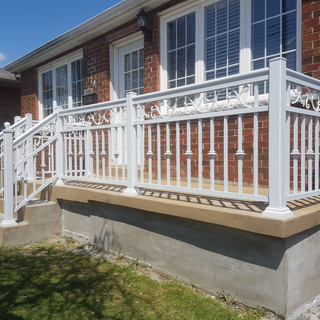
Building a fence might seem straightforward, but it takes more than just hammering some posts into the ground. Whether you want to add privacy, security, or curb appeal, getting your fence right the first time saves you time, money, and headaches. I’ve gathered some essential fence building guidance to help you through the process. Let’s dive into the key steps and tips that will make your fence project a success.
Planning Your Fence Building Guidance: What You Need to Know First
Before you pick up a hammer or order materials, planning is crucial. Start by deciding the purpose of your fence. Is it for privacy, security, decoration, or to keep pets and kids safe? Knowing this helps you choose the right style and materials.
Next, check local regulations. Many areas have rules about fence height, placement, and materials. You don’t want to build a fence only to find out it’s not allowed or you need to tear it down. Contact your local municipality or check online for Barrie and surrounding areas’ fence codes.
Also, locate your property lines. You can’t just build anywhere on your land. Use a survey or property deed to find exact boundaries. If you’re unsure, hire a professional to avoid disputes with neighbors.
Finally, think about the terrain. Is your yard flat, sloped, or rocky? This affects how you install posts and the type of fence you choose. For example, a sloped yard might need stepped fencing or adjustable panels.
Choosing the Right Materials and Style for Your Fence Building Guidance
Once you have a plan, it’s time to pick materials and style. There are many options, each with pros and cons:
Wood: Classic and versatile. It offers privacy and a natural look but needs regular maintenance like staining or painting.
Vinyl: Low maintenance and durable. It resists weather and insects but can be more expensive upfront.
Metal (Aluminum or Steel): Strong and secure. Great for security fences but may rust if not properly coated.
Chain Link: Affordable and practical for security or pet containment but offers little privacy.
Composite: Made from recycled materials, it looks like wood but lasts longer and requires less upkeep.
Think about your budget, maintenance willingness, and the look you want. For example, a wooden privacy fence might be perfect for a backyard, while a metal fence suits a commercial property.

Should Fence Posts Be Set in Concrete or Not?
This is a common question and an important one. Setting fence posts in concrete provides stability and longevity. Concrete anchors the post firmly, preventing it from shifting or leaning over time. This is especially important in areas with loose soil or heavy winds.
However, some argue that concrete can trap moisture around the post, leading to rot in wooden posts. To avoid this, use pressure-treated wood and ensure good drainage around the post hole.
Alternatively, some choose to set posts directly in compacted soil or gravel. This allows water to drain away but may not be as stable in the long run.
My recommendation? For most fence projects, especially in Barrie’s climate, setting posts in concrete is the safer bet. It ensures your fence stays straight and strong for years.
Installing Your Fence: Step-by-Step Fence Building Guidance
Now that you have your materials and posts ready, it’s time to install your fence. Here’s a simple step-by-step guide:
Mark Your Fence Line: Use stakes and string to outline where the fence will go.
Dig Post Holes: Typically, holes should be about one-third the length of the post deep and 8-12 inches wide.
Set Posts: Place the post in the hole, check for level and plumb, then pour concrete around it. Allow concrete to cure for at least 24-48 hours.
Attach Rails or Panels: Once posts are secure, attach horizontal rails or pre-made panels.
Install Fence Boards or Mesh: Nail or screw fence boards or mesh to the rails.
Add Gates and Finishing Touches: Install gates with proper hardware and add any decorative elements.
Remember to check for level and alignment throughout the process. A crooked fence is not only unsightly but can weaken over time.

Maintenance Tips to Keep Your Fence Looking Great
Building your fence is just the beginning. To keep it looking great and functioning well, regular maintenance is key.
Wood Fences: Inspect annually for rot, insect damage, or loose boards. Re-stain or paint every 2-3 years to protect against weather.
Vinyl Fences: Clean with soap and water to remove dirt and mildew.
Metal Fences: Check for rust spots and repaint or treat as needed.
Gates and Hardware: Lubricate hinges and locks to keep them working smoothly.
Also, trim plants and grass around the fence to prevent moisture buildup and damage.
If you want to avoid common pitfalls and ensure your fence lasts, following these fence construction tips can make all the difference.
Ready to Build Your Fence? Here’s How to Get Started
Building a fence is a rewarding project that adds value and security to your property. With the right planning, materials, and installation techniques, you can create a fence that lasts for years.
If you’re in Barrie or nearby and want expert help, EZ Fences is your go-to company for reliable fence, railing, and post hole services. Their experience and commitment to quality make them a trusted choice for both homeowners and businesses.
Remember, a well-built fence starts with good fence building guidance and the right support. Don’t hesitate to reach out to professionals if you need help.
Happy fencing!


Your writing never fails to leave me feeling motivated and educated. This time was no exception. I appreciate the mix of storytelling and practical guidance. It's a rare blend that works wonderfully. I've saved this page for future reference. Thanks again for consistently offering such high-quality content. Bravo!
https://www.linkedin.com/in/aerocityfungirl/
https://www.pinterest.com/aerocityfungirl/
https://www.twitch.tv/aerocityfungirl/
https://www.reddit.com/user/Upset-Original-260/
https://gitlab.com/ayeshaakhanseo
https://github.com/ayeshaa0
https://in.pinterest.com/aerocityfungirl/
https://app.wedonthavetime.org/profile/aerocityfungirl
https://friend24.in/aerocityfungirl
https://littlemonsters.honeycommb.com/users/aerocityfungirl/biography